
Plant of the Month · June 2026
Golden Wattle
Acacia pycnantha
The Weeknight Dinner of Revegetation

Q. What do the Socceroos, weeknight dinners, ecological restoration, and the $100 note have in common?
A. The Golden Wattle, or Acacia pycnantha!
Read on to find out how this could possibly be, along with my 7 favourite things about our trusty old Golden Wattle.
1. Golden Wattle stems: Masters of Disguise
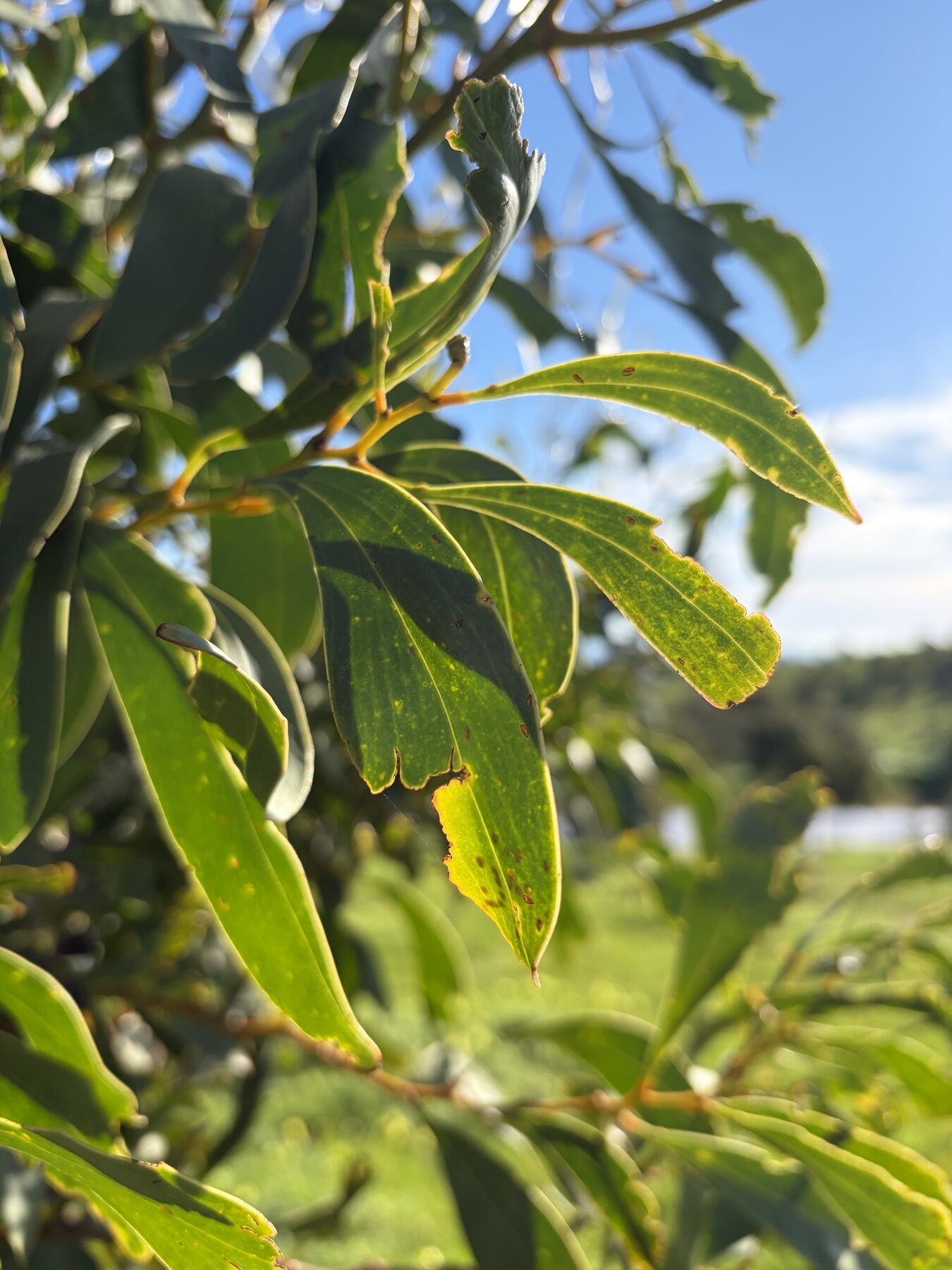
One of the coolest things about wattles is their leaves — if we want to call them that. Most species only grow ‘true’ leaves for about ten seconds (well a few months) until the stems take over and basically act as leaves in disguise. The big advantage is they’re way more drought tolerant than real leaves, which is a huge boon for survival in South Australia. Their fake leaves are called phyllodes.
2. All-round Revegetation Legends
The Golden Wattle is common in South Australia and such a standby in revegetation projects. If you want to see it flowering in late winter to early spring, literally just don’t close your eyes. It acts as a coloniser species, being quick growing but relatively short lived, helping an area to establish and outcompeting weeds before more specialist plants grow. It’s not a ‘prestige’ kind of plant, maybe a bit run of the mill, but that’s exactly why it’s like the weeknight dinner of revegetation: easy, versatile, and there to fill the gap.
3. Sap
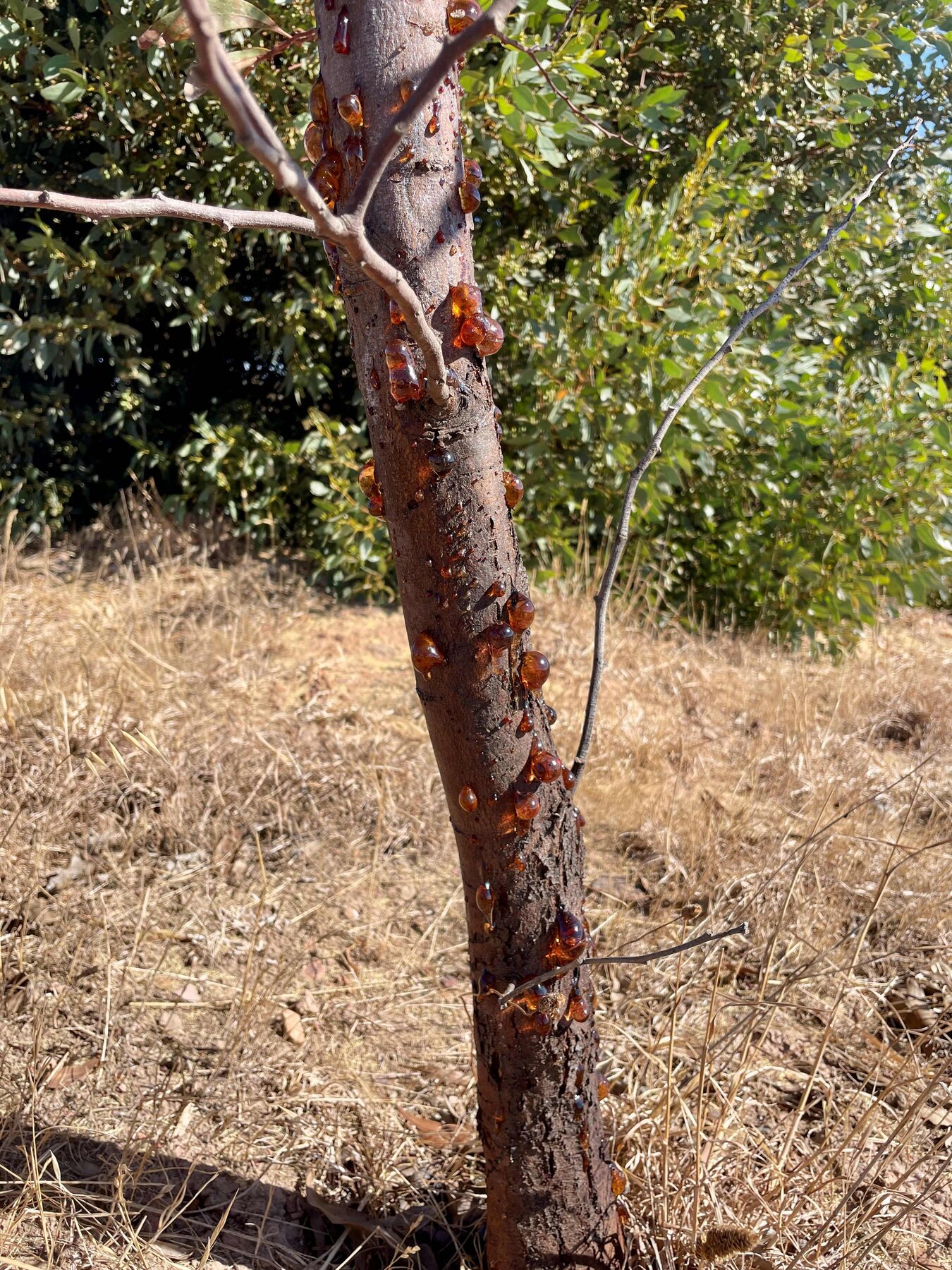
Ever wondered if the tree is bleeding? Well, sort of. Acacia pycnantha can have large globules of golden sap that look like blown glass. These are generally sealing up wounds or gaps in the outer wood. This has traditionally been used as resin and gum.
4. Fire as an ecological trigger
The shiny black seeds have a hard coating that keeps them physically dormant until something cracks a little lens in the coat. They can survive for years until the lens is damaged and then when it rains, water can actually get inside. When growing Acacia pycnantha in the nursery for revegetation here at Forktree, we usually use hot water to damage the coat. In the wild, it will often happen when a bushfire rolls through. Being the wild, though, there’s more than one cool interaction happening here. Read on.
5. Ants and arils
Yep. The seeds have a fleshy little treat on the outside called an aril and ants LOVE it. They carry the whole seeds to their nests, snack away on the arils and discard the rest. Success! These seeds have successfully been spread across the landscape and buried just under the soil. When a fire comes through they’ll hopefully get just enough heat to crack the seed coats, but they’re protected from being completely destroyed.
6. Nitrogen-fixing bacteria
As if that wasn’t enough social interaction, not only do their seeds find a spot of help from the ecosystem, so do their roots. Like most plants in the Fabaceae family, the Golden Wattles grow little root nodules to hold nitrogen-fixing bacteria. This bacteria draws down atmospheric nitrogen and makes it available to the plants, and the roots give the bacteria something to eat. A classic win-win.
7. Green and Gold
And yes, the reason for all the hype: the Golden Wattle is our official national floral emblem. It’s on the $100 note, it’s on your passport, and it’s the reason for the classic green and gold of our favourite sports teams.
Want to play a part in restoring biodiversity on the Fleurieu Peninsula? Come and volunteer at The Forktree Project Nursery and help us grow important South Australian plants for future restoration projects. Please send us an email at hello@theforktreeproject.com to find out more.